


What are the methods for waste separation (separating as metal, paper, plastic)?
One of the best methods that can be adopted to show respect for the earth and better protect nature is waste separation. This cost-free habit not only contributes to living in a better world but also allows you to raise your children in an eco-friendly manner. The development of recycling processes is directly proportional to the increase in environmental awareness. First and foremost, recycling helps to preserve our natural resources. However, separating waste into metal, paper, and plastic is also of great importance.
One of the best methods that can be adopted to show respect for the earth and better protect nature is waste separation. This cost-free habit not only contributes to living in a better world but also allows you to raise your children in an eco-friendly manner. The development of recycling processes is directly proportional to the increase in environmental awareness. First and foremost, recycling helps to preserve our natural resources. However, separating waste into metal, paper, and plastic is also of great importance.
Metal Separation Methods:
Metals can be more easily separated due to their electromagnetic properties. Mixed recycling materials first pass over a magnetized belt. Additional metal separation units apply electromagnetic currents to separate plastic, paper, and glass from the remaining metal waste. Recycling equipment manufacturers have developed technologies capable of separating each material based on its physical properties. Simple air jets can be used to separate lighter materials from denser objects.Paper Separation Methods:
In the recycling process, to separate paper, it must first be broken down into fibers in water. Sodium hydroxide or sodium carbonate is used to remove ink. The prepared paper fibers are then utilized in the production of recycled paper. However, waste paper cannot be continuously recycled. With each recycling process, the length of the paper fibers shortens, necessitating the addition of binding agents for new paper production. Recycling a ton of paper can lead to significant savings.Plastic Separation Methods:
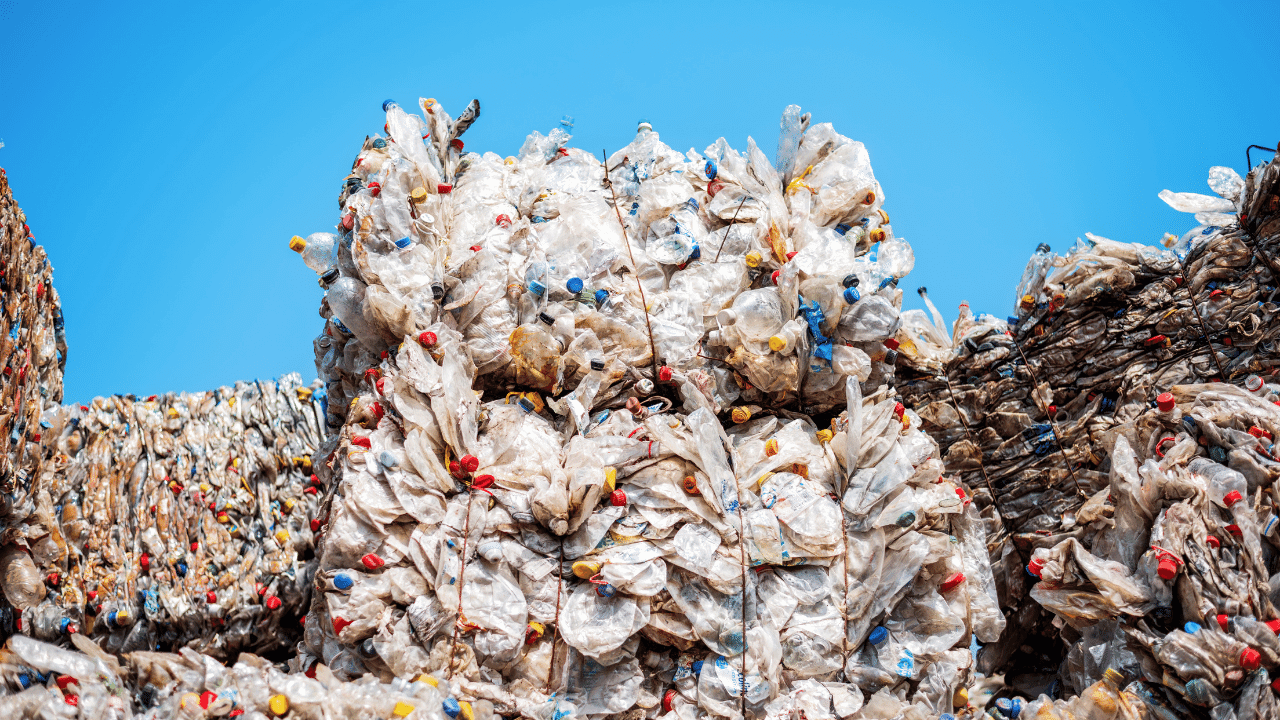
Plastic waste is first sorted by type before undergoing recycling. Crushing machines break down plastic waste into smaller pieces. Businesses can use these pieces mixed with original raw materials in production, or they can be remelted and mixed with additives for use as a secondary raw material. Recently, many systems have been developed, especially for the separate collection of plastic bottles. If plastic films, boxes, and pipes are not separated from paper on conveyors, it leads to contamination and devaluation of the recycled material. Modern separators use variable airflow and multi-stage systems to effectively separate dense materials from lighter waste. Each type of plastic has a unique infrared (IR) signature. Optical sensors and air jets use these IR signatures to differentiate various plastics and, when necessary, paper. These systems read the IR spectra of materials, identifying different types of plastics, and unmatching materials are collected. Recycling facilities often use optical separation systems that are adaptable to a wide range of products to more effectively separate various plastics and papers.
Information Request Form
Other Blog
-
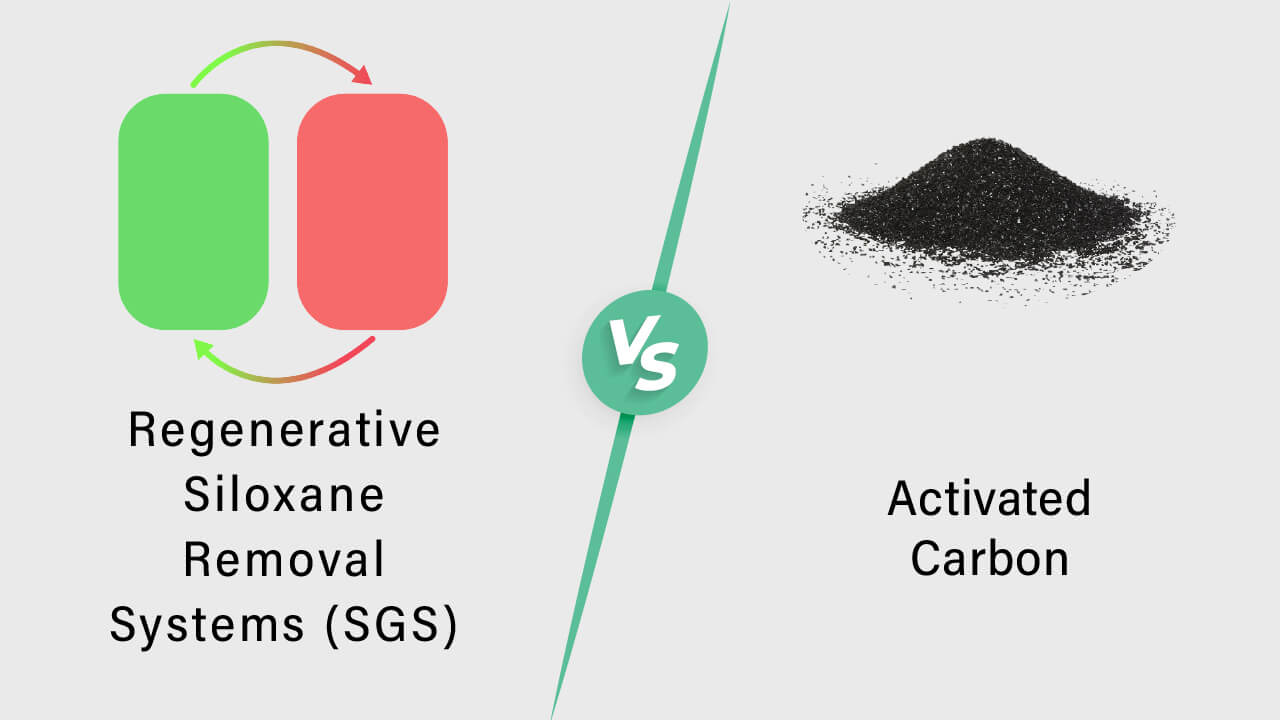
Comparison of Regenerative Siloxane Removal Systems (SGS) and Activated Carbon
-
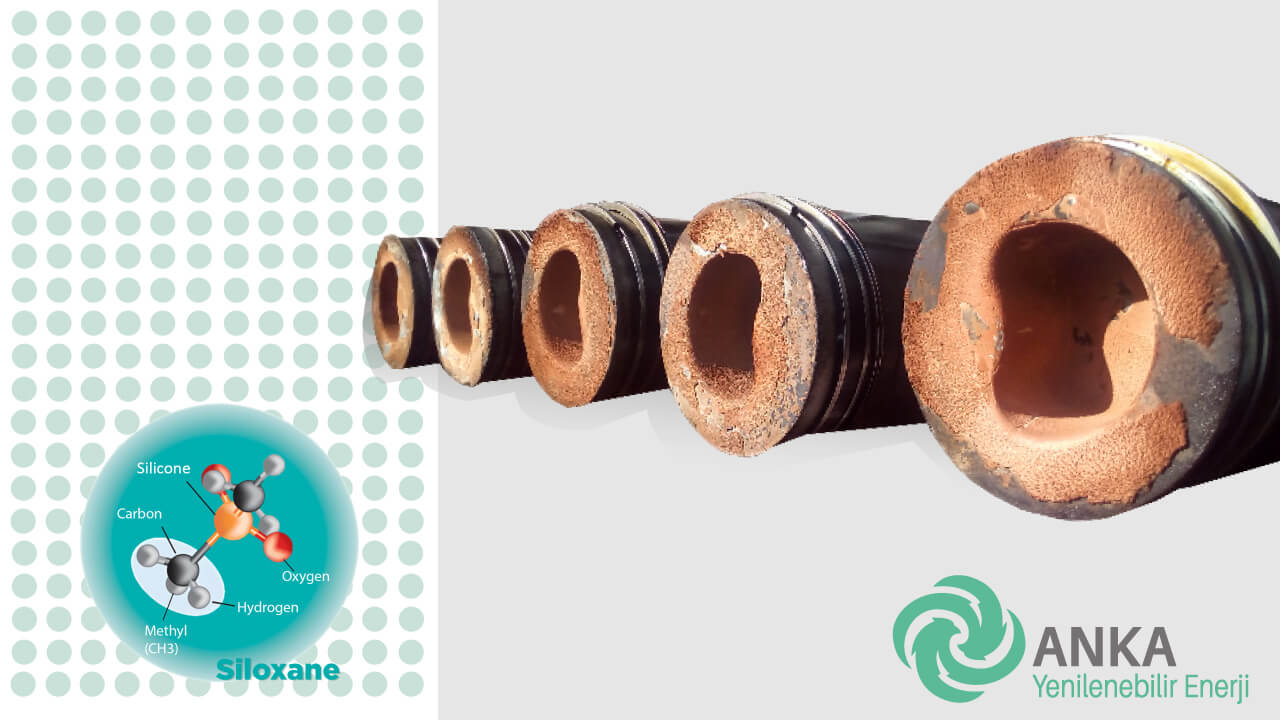
Effects Of Siloxane On Engines And Resulting Damages
-
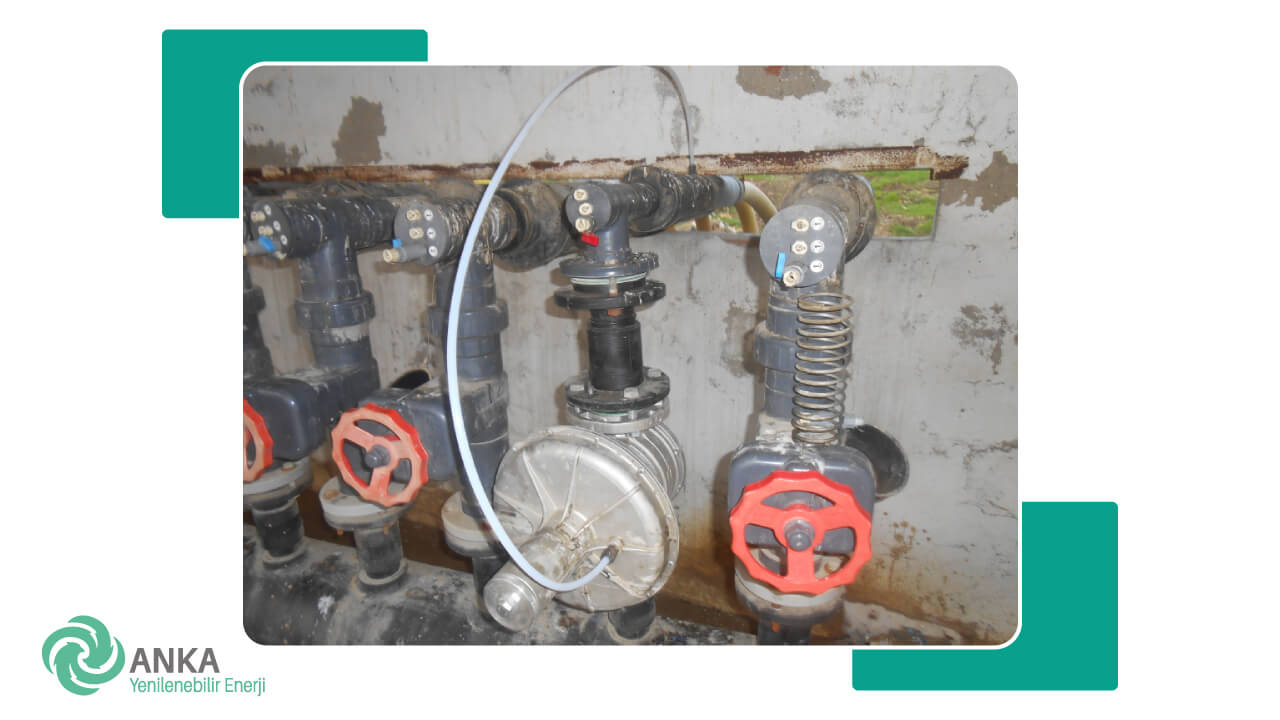
Optimization of Landfill Gas Production Using Vacuum Regulator
-

Problem Solving Technique and Systematics for Engineering Projects
-
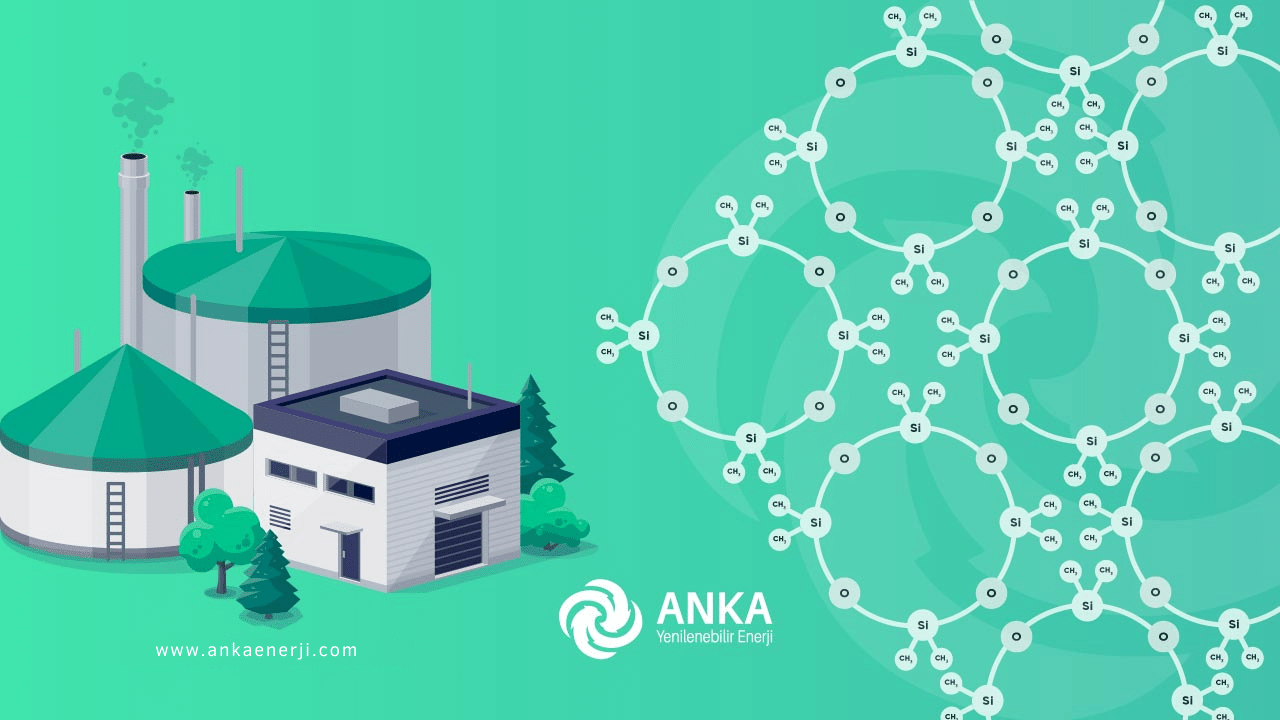
What is Siloxane? How is Siloxane Separated from Biogas and Landfill Gas?
-
What are the methods for waste separation (separating as metal, paper, plastic)?
Projects
-

Sakarya Biogas Regenerative Siloxane Removal System
Completed -
Sakarya Landfill Gas Regenerative Siloxane Removal System
Completed -
SUEZ Çanakkale Landfill Gas Regenerative Siloxane Removal System
Completed -
Osmaniye Landfill Gas Regenerative Siloxane Removal System
Completed -
Russia/Kulakovskiy LFG To Electricity Plant
Ongoing -
Seymen Landfill Gas Regenerative Siloxane Removal System
Completed -
Kastamonu Landfill Site Rehabilitation Project
Completed -
Edirne Landfill Gas Regenerative Siloxane Removal System
Completed -
Ravda/Bulgaria Landfill Site Rehabilitation Project
Completed -
Aitos/Bulgaria Landfill Site Rehabilitation Project
Completed -
Misamis Oriental WWTP Project - Philippines
Completed -
Manisa Landfill Gas Regenerative Siloxane Removal System
Completed -
Greece/Psyttalia Wastewater Treatment Plant Regenerative Siloxane Removal System
Completed -
Kayseri Landfill Gas Regenerative Siloxane Removal System
Completed -
Botek Arge Kimya Hydrogen Flare
Completed -
Mersin Landfıll Gas Regeneratıve Sıloxane Removal System
Completed -
Silifke Landfıll Gas Regeneratıve Sıloxane Removal System
Completed -
Brazil Minas Gerais RNG Plant Regenerative VOC Removal System
Completed -
Latvia Riga Landfill Gas Regenerative VOC and Siloxane Removal System
Completed -
Portugal Amadora RNG Plant Regenerative VOC and Siloxane Removal System
Ongoing -
Portugal Seixal RNG Plant Regenerative VOC and Siloxane Removal System
Ongoing -
Spain Barcelona Landfill Gas Regenerative VOC and Siloxane Removal System
Completed -
Adana Landfill Gas Regenerative VOC and Siloxane Removal System
Completed -
Manisa Landfill Gas Regenerative Siloxane Removal System Capacity Expansion
Completed